3 hr
Bridger-Teton Forest Horseback Adventure
Ride through Wyoming wilderness with views of the Grand Tetons from a historic dude ranch
Reserve
Hand-picked by our editors — only the best 5 experiences from 12 reviewed.
Verified partners for every tour, free cancellation where available, and instant confirmation on every booking.
3 hr
Ride through Wyoming wilderness with views of the Grand Tetons from a historic dude ranch
Reserve
1 hr 30 min
Ride wilderness trails with Teton views, then feast on a traditional cowboy dinner under open skies
Reserve
2 hr 30 min
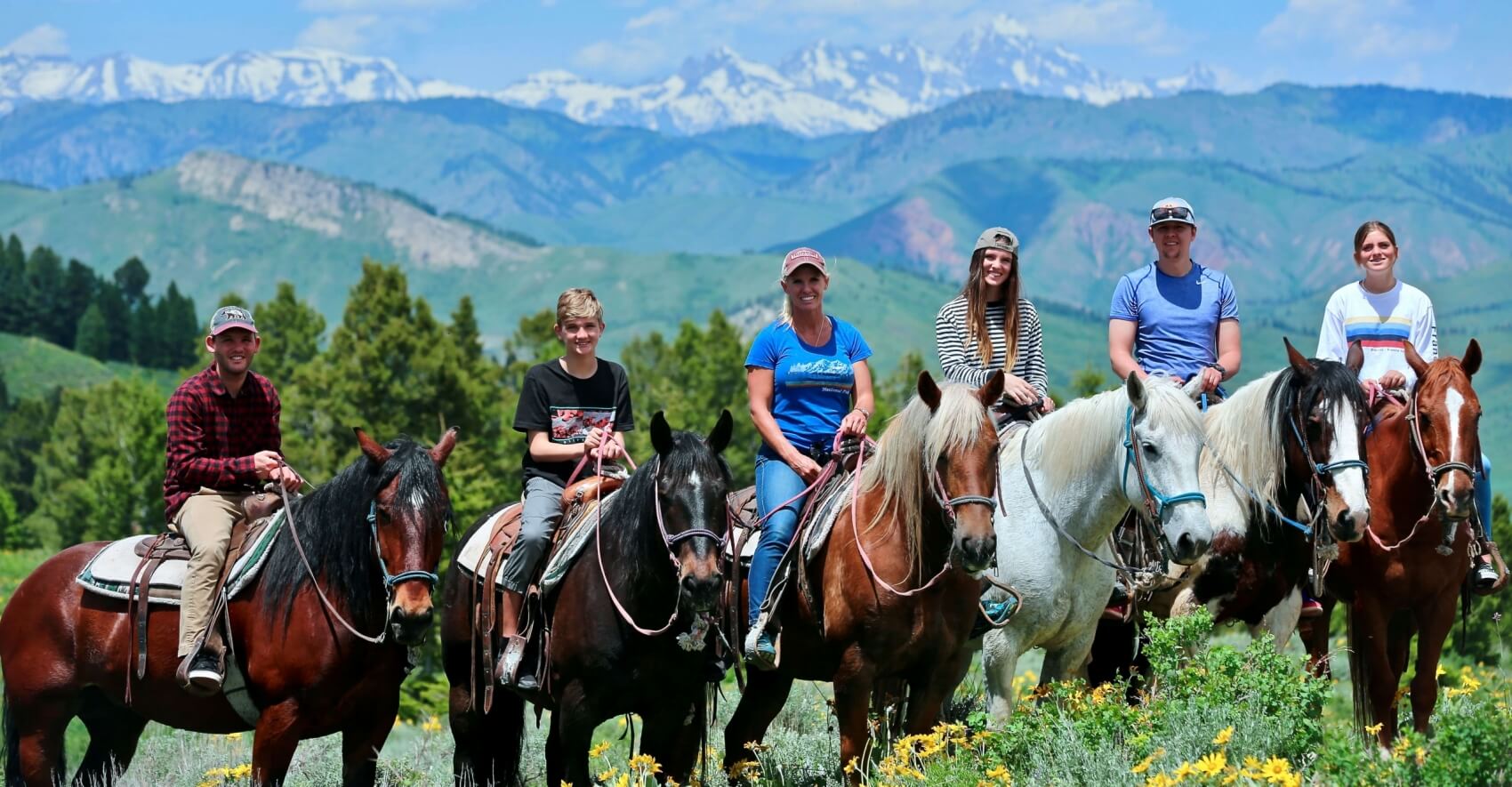
Ride through Bridger-Teton National Forest to a panoramic ridge overlook, then enjoy a deli lunch surrounded by Grand Teton views.
ReservePrices from verified partners. Availability updates in real time at checkout. Free cancellation policies apply where shown.
The landmarks, rooms, and views travelers on this tour remember — all visible on a single visit.
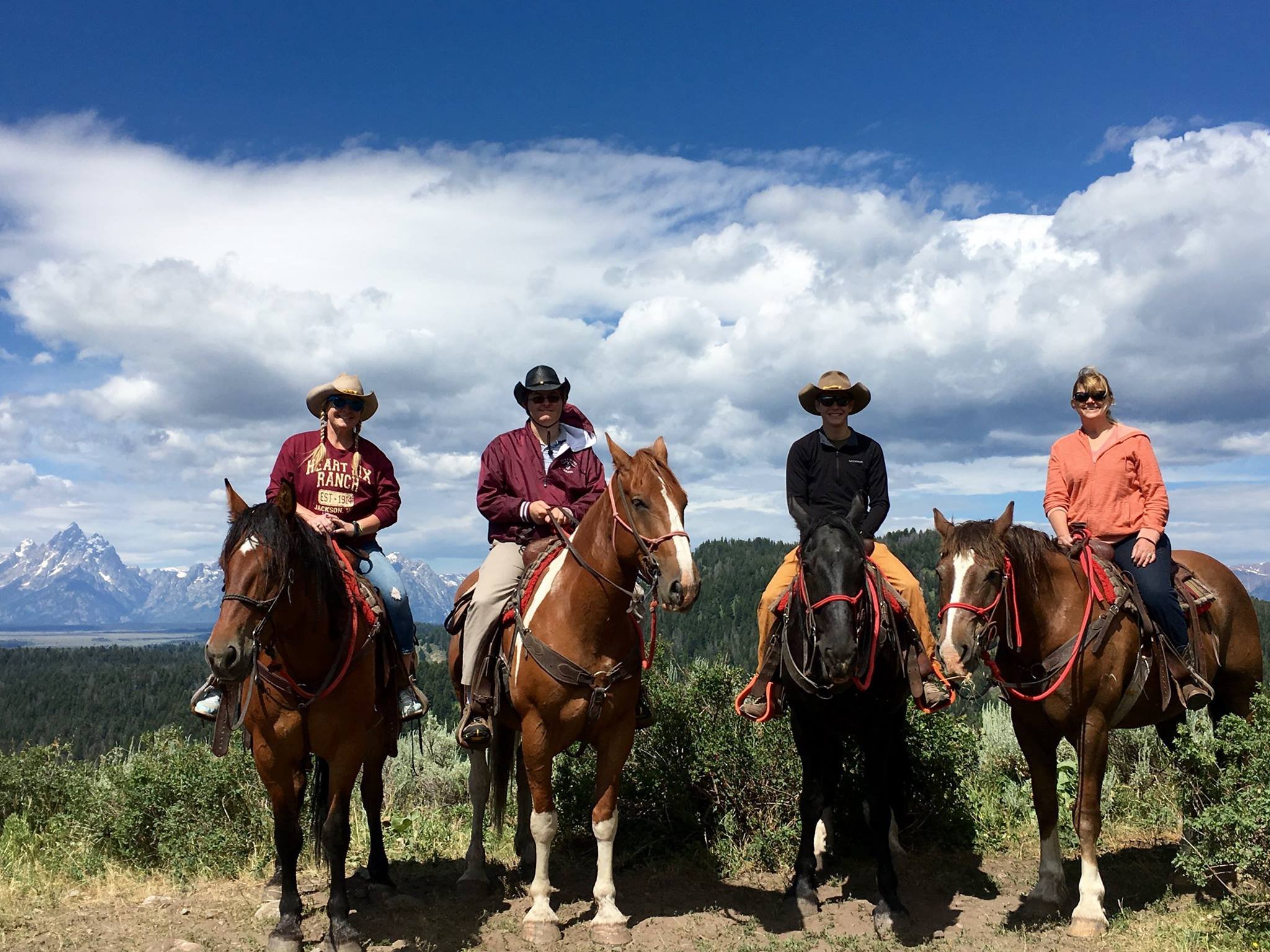
Experience panoramic views of the Teton Range throughout the ride. These peaks reach elevations over 13,000 feet.
Ride to vantage points overlooking the icy Snake River. The river remains partially open throughout the winter season.
Traverse areas near the National Elk Refuge where herds congregate. It is common to see hundreds of elk during your tour.
Navigate through trails that follow original homestead paths. These routes have been used for over a century in the valley.
Travel beneath snow-laden pine and fir trees that block the wind. These forests provide a calm atmosphere during the winter.
They complement each other; most visitors who do both call the motorized Bridger-Teton snowmobile excursion the more thrilling experience, whereas horseback rides offer a tranquil connection to the landscape. Securing your jackson hole horseback riding winter tickets early ensures access to the quietest, most pristine snow-covered meadows.
| Feature | Top pick Horseback Riding | Snowmobile Adventure |
|---|---|---|
Physical Activity Level |
Low (balanced sitting) | Moderate (active maneuvering) |
Landscape Access |
Designated trail routes | Expansive backcountry terrain |
Noise Impact |
Minimal (natural sounds) | High (engine noise) |
Wildlife Observation Potential |
High (quiet approach) | Low (rapid travel) |
Required Gear |
Insulated winter clothing | Helmet and snowsuit provided |
Average Tour Duration |
1.5–2.5 hours | 4–8 hours |
| See tickets → |
Verdict: Choose the jackson hole horseback riding winter tour for intimate wildlife viewing, or opt for the snowmobile experience to cover greater distances across the snowy Wyoming backcountry.
Choose your ticket, select your date, and reserve in under two minutes. Secure checkout handled by our verified partner.
Instant confirmation by email, with a mobile voucher you can save offline. No printing, no queuing at a collection desk.
Arrive at the entrance, show your voucher on your phone, and walk in. Most tickets include priority or skip-the-line access.
Practical details for your visit straight from our verified partners — hours, access, rules, and how to get there.
Jackson Hole, WY, USA
Look for the main barn sign.
Follow WY-22 or US-191 to reach local stables.
Ride-share services are available throughout Jackson Hole.
Participants must wear multiple warm, moisture-wicking layers including a windproof outer shell. Sturdy, closed-toe boots with a heel are mandatory for safety in the stirrups during your jackson hole horseback riding winter experience.
Secure all loose items in a small, close-fitting backpack or saddle bag. Large bags are generally prohibited as they interfere with the saddle fit during jackson hole horseback riding winter tours.
Photography is permitted; however, riders must keep both hands on the reins unless the horse is at a complete stop. Consider using a neck strap for your camera while enjoying your jackson hole horseback riding winter tour.
Riders should possess enough mobility to mount the horse with assistance. Contact operators in advance regarding specific physical requirements for jackson hole horseback riding winter tickets.
Phones should be stored in a secure pocket to prevent loss on the trail. Silence notifications to avoid startling the horses during your winter excursion.
Children must meet age and weight requirements set by the stable to ensure safety. Check specific operator policies for family-friendly jackson hole horseback riding winter options.
Carry a refillable water bottle and high-energy snacks. Most jackson hole horseback riding winter packages do not include meals, so plan for dining in town.
Pets are strictly prohibited at the stables and on the trail for safety reasons. Service animals require prior authorization from the tour operator.
Winter conditions in Jackson Hole can change rapidly. Always check local weather reports before departing for your jackson hole horseback riding winter session.
Best time to go, insider tips, nearby landmarks, and the cancellation fine print — flip through to skim what matters to you.
How crowds, weather, and events shift across the year.
Consistent snow cover provides a classic winter atmosphere for riders.
Quiet trails offer solitude but temperatures are at their lowest.
Stable snow conditions and frequent sunny days are excellent for riding.
Longer daylight hours make for a comfortable jackson hole horseback riding winter ride.
Small details that turn a good visit into a great one.
Popular dates for jackson hole horseback riding winter sell out quickly.
Dress in more layers than you think you need for sub-zero riding.
Snow reflects UV rays, so wear sunscreen even on cloudy days.
Tell your guide if you are uncomfortable during the ride.
The high altitude can lead to dehydration; drink water often.
Non-bookable sights within a short walk — free to visit, easy to pair.
View thousands of elk that winter in the valley.
Features the iconic antler arches and local shops.
Overlook the valley and town from this nearby peak.
Learn about the region's rich frontier history.
Flexible, no hidden fees.
Cancellations made outside the notice period are eligible for a refund of the 545 USD entrance fee. Please verify specific operator terms as policies vary by package.
Hand-picked options within walking distance — pick a district for vibe, or a specific hotel for convenience.
Historic hotel located in the heart of town.
Contemporary lodging near major transit lines.
Practical choice near the elk refuge.
Fewer than a dozen outfitters in the Greater Yellowstone Ecosystem maintain winter horseback operations, and Jackson Hole anchors the highest concentration of them. Where summer sees thousands of riders threading Bridger-Teton trails, January through March filters the experience down to solo tracks through unbroken snow and the creak of leather in subzero air. The Shoshone and Bannock peoples rode these valleys year-round for centuries, relying on hardy mountain horses bred to navigate deep drifts and icy stream crossings. Modern winter trail rides honor that lineage, pairing cold-adapted quarter horses and draft crosses with wranglers who read wind chill and avalanche bulletins as closely as they read hoof prints. Jackson Hole horseback riding winter tours operate primarily in Buffalo Valley, the Gros Ventre drainage, and lower-elevation Bridger-Teton corridors where wind scour keeps trails passable and thermal pockets shelter midday stops. The season runs December through early April, peaking in February when snowpack stabilizes and daylight stretches past five o'clock. Outfitters limit group size to six riders—smaller than summer rosters—to prevent trail compaction and maintain sight lines in flat light. Most packages bundle the ride with a fireside component: cast-iron cookouts on portable grates, insulated tents with propane heaters, or lodge returns with mulled cider and wool blankets. The ritual mirrors nineteenth-century cattle drives, when line camps dotted the valley and riders ate standing near open flame. The landscape itself rewrites familiar summer geography. Cottonwood stands along Spread Creek appear skeletal against the Tetons, and frozen seeps create blue-ice curtains along canyon walls. Bison congregate in geothermal areas near the park boundary, and their breath plumes mark thermal vents invisible under summer grass. Horses move differently in cold—shorter strides, ears swiveling toward wind sound, nostrils flared to warm incoming air. Riders wear insulated bibs over base layers, expedition mitts over liner gloves, and neck gaiters that frost white within the first mile. The cold is the point. It filters distraction, sharpens detail, and returns the act of riding to its original function: covering ground that cannot be crossed any other way. Winter horseback riding in Jackson Hole remains a working skill, not a groomed attraction. Outfitters schedule rides around weather windows rather than fixed departure times, and cancellations for wind or fresh snow are common. The infrastructure is minimal—no heated barns at trailheads, no cell signal past the first ridge, no groomed paths. What persists is older: the rhythm of hoofbeats on packed snow, the scent of pine sap in frozen air, and the geometry of the Tetons holding their edge against winter sky.
"The cold filters distraction, sharpens detail, and returns the act of riding to its original function: covering ground that cannot be crossed any other way."
A step-by-step walkthrough of the visit — what you'll see, how long each stage takes, and the details that matter.
You arrive at the staging area by nine in the morning, when the temperature still hovers in the single digits and your breath hangs visible in the still air. Wranglers fit you with insulated chaps and check your layering—neck gaiter, liner gloves under mitts, a wool buff tucked into your collar. Your horse, a broad-chested quarter horse named Cody or a draft cross named Belle, stands calm while you mount, its winter coat thick enough to obscure the contour of ribs and flanks. The first mile follows a plowed access road, then breaks onto a single-track trail marked by orange flags tied to lodge-pole pines. Snow muffles hoofbeats to a soft crunch, and the only other sound is the jingle of bit rings and the occasional snort as your horse clears frost from its nostrils. You cross a frozen creek, ice thick enough to bear weight without cracking, and climb a low ridge that opens onto a view of the Teton range—Grand, Middle, and South Teton aligned like sentries, their north faces holding blue shadow even at midday. The wrangler calls a halt near a clearing where a propane heater and camp grill wait under a canvas tarp. You dismount, legs stiff from the cold, and stand near the fire while cast-iron skillets heat with elk sausage, eggs, and sourdough toast. The meal tastes better than it should, sharpened by altitude and effort. You eat standing, mittens off for only as long as it takes to finish, then remount for the return loop. The horses know the way home and quicken their pace, ears forward, carrying you back through the quiet geometry of frozen meadow and timbered slope.
The facilities operate from 09:00–17:00 daily.
Yes, booking jackson hole horseback riding winter tickets in advance is highly recommended to guarantee availability.
Wear multiple warm, windproof layers and boots with a heel for your jackson hole horseback riding winter tour.
The entrance fee is 545 USD per private booking, which varies by operator and package.
You can bring a camera, but ensure it is secured during your jackson hole horseback riding winter adventure.
Age and weight limits vary by operator to ensure safety during jackson hole horseback riding winter.
Cancellations outside the notice period are eligible for a refund of the 545 USD entrance fee.
Yes, parking is available at the stables for those driving to their jackson hole horseback riding winter experience.
Private sessions are available, with the entrance fee starting at 545 USD per booking.
Food is typically not included in jackson hole horseback riding winter packages; plan accordingly.